Auto Technology has evolved into a powerful force that is redefining how vehicles operate, respond, and interact with their environment. Modern vehicles are no longer simple mechanical machines. They are intelligent systems capable of processing data, making decisions, and adapting to real world conditions. Auto Technology now influences every aspect of the automotive experience, from performance and efficiency to safety and connectivity. This transformation is reshaping expectations across the global transportation landscape.
The Evolution of Auto Technology
Auto Technology has progressed from basic mechanical engineering to advanced digital integration. Earlier vehicles relied heavily on manual control and mechanical components. Today, Auto Technology combines electronics, software, and data processing to manage vehicle functions with precision. Engine control units, digital sensors, and automated systems work together to optimize performance and reliability. This evolution allows vehicles to think and respond faster than ever before.
Intelligent Systems in Modern Vehicles
One of the most significant developments in Auto Technology is the rise of intelligent vehicle systems. These systems collect real time data from cameras, sensors, and onboard computers. Auto Technology processes this information to adjust speed, steering, and braking automatically. Intelligent systems enhance driver awareness and improve response times, making driving safer and more predictable in complex traffic conditions.
Auto Technology and Vehicle Performance
Performance optimization is a key benefit of Auto Technology. Advanced engine management systems improve power delivery while maintaining fuel efficiency. Auto Technology enables smoother acceleration, better gear shifting, and enhanced handling. Vehicles can now adapt performance based on driving conditions, road surfaces, and driver behavior. This adaptability improves both comfort and control during everyday driving.
Energy Efficiency and Sustainable Auto Technology
Auto Technology plays a vital role in improving energy efficiency. Modern vehicles use advanced systems to manage fuel consumption and reduce emissions. Hybrid and electric platforms rely heavily on Auto Technology to balance energy use and extend driving range. Regenerative braking and intelligent power distribution systems demonstrate how Auto Technology supports sustainability without sacrificing performance.
Connectivity and Digital Integration
Connectivity has become a defining feature of Auto Technology. Vehicles now connect with smartphones, navigation systems, and cloud platforms. This integration allows real time traffic updates, remote diagnostics, and software improvements. Auto Technology enables vehicles to receive updates that enhance functionality over time. Digital connectivity transforms vehicles into evolving platforms rather than static products.
Auto Technology and Safety Innovation
Safety advancements are among the most visible impacts of Auto Technology. Intelligent safety systems monitor surroundings continuously and assist drivers in critical situations. Auto Technology supports features that help prevent collisions and maintain stability. By analyzing environmental data and driver input, these systems reduce risk and increase confidence behind the wheel.
Manufacturing Powered by Auto Technology
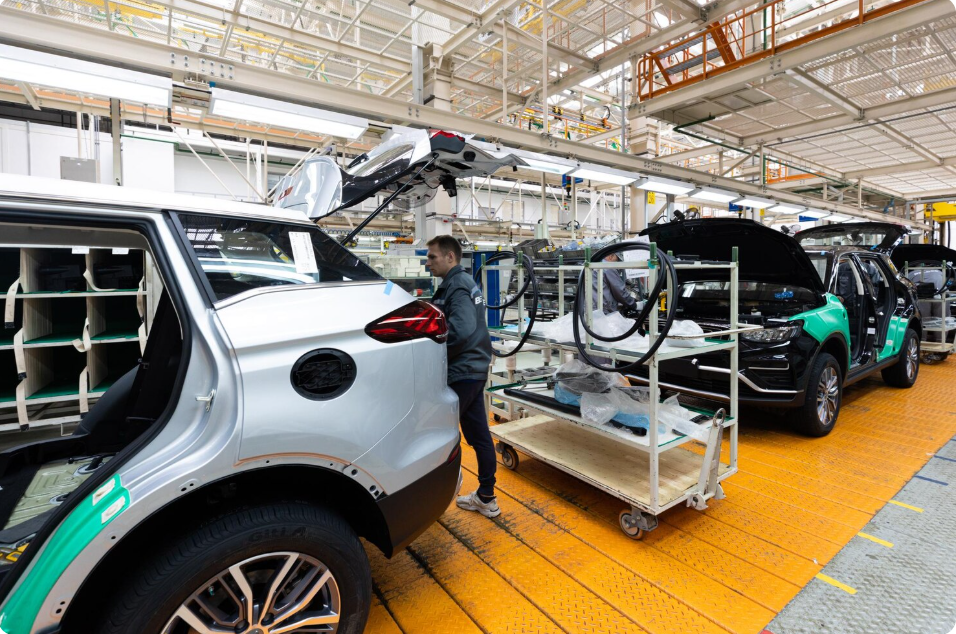
Auto Technology also drives innovation in vehicle manufacturing. Automation, robotics, and digital simulation improve production accuracy and efficiency. Manufacturers use Auto Technology to test designs virtually before physical production begins. This approach reduces costs, shortens development cycles, and improves overall quality. Advanced manufacturing ensures consistent performance across vehicle models.
Human Centered Design and User Experience
Auto Technology enhances user experience through intuitive interfaces and personalized settings. Touchscreens, voice controls, and digital dashboards allow drivers to interact with vehicles easily. Auto Technology adapts vehicle settings based on individual preferences, creating a more comfortable and engaging driving experience. Human centered design ensures that technology supports drivers rather than overwhelming them.
Auto Technology and Data Driven Decision Making
Data is central to modern Auto Technology. Vehicles collect and analyze information related to driving patterns, road conditions, and system performance. This data driven approach allows vehicles to improve efficiency and safety continuously. Auto Technology uses insights gained from data to refine system behavior and enhance reliability over time.
Challenges Facing Auto Technology Development
Despite its benefits, Auto Technology presents challenges related to system complexity and cybersecurity. Advanced systems require careful calibration and regular updates. Protecting digital systems from unauthorized access is a growing concern. Auto Technology development must address these challenges through robust design, testing, and secure software architecture.
The Future Direction of Auto Technology
The future of Auto Technology points toward greater intelligence and automation. Vehicles will increasingly anticipate driver needs and environmental changes. Auto Technology will focus on predictive systems that learn from experience and improve performance dynamically. Integration with infrastructure and communication networks will further enhance vehicle capabilities.
Why Auto Technology Matters Today
Auto Technology matters because it influences safety, efficiency, and sustainability on a global scale. It supports cleaner transportation, reduces accidents, and improves mobility. Auto Technology is not just about innovation but about creating reliable and responsible solutions for modern transportation needs.
Conclusion
Auto Technology advancements are transforming the way vehicles think and perform. Through intelligent systems, digital connectivity, and data driven optimization, Auto Technology is redefining the automotive experience. As innovation continues, vehicles will become smarter, safer, and more adaptive. Auto Technology stands at the center of this transformation, shaping the future of transportation with intelligence and precision.