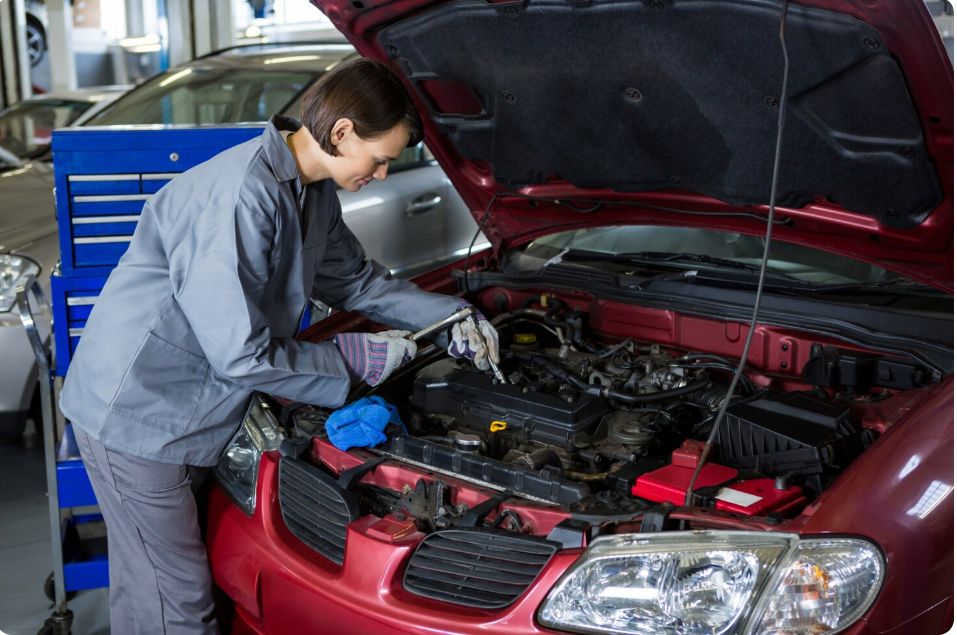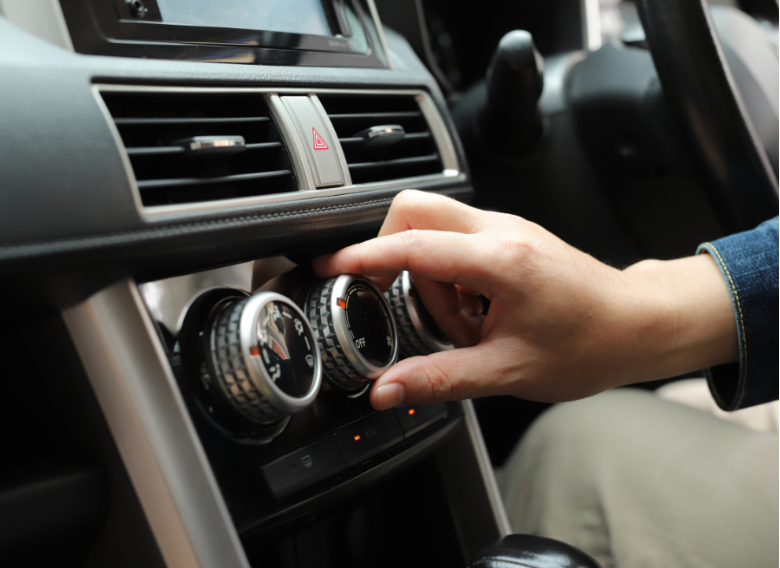
Every driver wants a vehicle that feels reliable, comfortable, safe, and enjoyable on the road. Whether you drive daily to work, take weekend trips, or use your car mostly for errands, the right upgrades can make a noticeable difference in how your vehicle performs and how pleasant it feels to drive.
Car upgrades do not always have to be expensive or complicated. Some of the most useful improvements are simple products and maintenance items that help protect your vehicle, improve safety, increase comfort, and make everyday driving easier. From better motor oil and tires to improved lighting, filters, wipers, and interior accessories, small upgrades can often deliver long-term benefits.
The key is choosing upgrades that match your driving habits, your vehicle’s condition, and your budget. Instead of buying accessories only because they look attractive, focus on products that solve real problems and support your car’s performance, safety, and comfort.
Why Smart Car Upgrades Matter
Many drivers think of car upgrades as cosmetic changes, such as new wheels, seat covers, or exterior styling parts. While appearance matters to many owners, the most valuable upgrades often go beyond looks.
Smart car upgrades can help:
- Improve driving comfort
- Increase road safety
- Support engine performance
- Reduce long-term wear and tear
- Make the cabin more enjoyable
- Improve visibility
- Protect the interior and exterior
- Help maintain resale value
- Make older vehicles feel more modern
A well-chosen upgrade can make your car easier to live with every day. It may also help prevent bigger problems later. For example, using quality oil, replacing worn wiper blades, and maintaining tires properly may not feel exciting, but these actions can directly affect safety and vehicle health.
Drivers who want to compare reliable accessories, replacement parts, and maintenance products can explore trusted automotive spare parts and product guides before making buying decisions.
1. High-Quality Motor Oil
One of the most important upgrades for any car is choosing the right motor oil. Engine oil is essential because it lubricates moving parts, reduces friction, helps control heat, and protects the engine from wear.
Many drivers only think about oil when it is time for an oil change, but oil quality can affect engine performance, fuel efficiency, and long-term reliability. Using the wrong oil or delaying oil changes can lead to poor lubrication, sludge buildup, overheating, and expensive engine damage.
When choosing motor oil, consider:
- Vehicle manufacturer recommendations
- Oil viscosity
- Synthetic vs. conventional oil
- Driving conditions
- Mileage of the vehicle
- Climate and temperature
- Engine age
- Oil change interval
Synthetic oil is often preferred for modern engines because it usually provides better protection, performs well in extreme temperatures, and lasts longer than conventional oil. However, the best option depends on your specific vehicle and driving needs.
If you are unsure what to choose, comparing the best motor oils for cars can help you understand different options and select an oil that supports performance, protection, and long-term engine health.
2. Better Tires for Grip and Stability
Tires are one of the most important safety components on any vehicle. They are the only parts of the car that directly touch the road, so they affect braking, handling, acceleration, comfort, and fuel economy.
Upgrading to better tires can improve:
- Wet-road traction
- Dry-road handling
- Braking distance
- Ride comfort
- Road noise
- Fuel efficiency
- Cornering stability
- Winter or all-weather performance
If your tires are worn, cracked, unevenly worn, or not suited to your climate, replacing them should be a priority. Even a powerful car with advanced safety features can become dangerous if the tires are poor.
When choosing tires, consider your driving environment. All-season tires may be enough for moderate climates, while winter tires are better for snow and ice. Performance tires may suit sporty driving, while touring tires may be better for comfort and long-distance use.
Always check tire size, load rating, speed rating, and compatibility before buying.
3. Reliable Wiper Blades
Wiper blades are simple, affordable, and easy to forget until you need them. Poor wipers can leave streaks, miss sections of the windshield, make noise, or reduce visibility in rain and snow.
Good visibility is essential for safe driving. If you cannot clearly see the road, pedestrians, traffic signs, or lane markings, your reaction time may suffer.
Signs you need new wipers include:
- Streaking on the windshield
- Skipping or chattering
- Squeaking noises
- Cracked rubber
- Uneven wiping
- Smearing dirt or water
- Reduced visibility during rain
Most drivers should replace wiper blades at least once or twice a year, depending on climate and usage. Hot sun, ice, dust, and heavy rain can all wear them down faster.
For extra safety, also keep your windshield washer fluid filled and use a formula suitable for your weather conditions.
4. Upgraded Headlights and Lighting
Good lighting improves both visibility and safety. If your headlights are dim, yellowed, or poorly aimed, night driving becomes more difficult and risky.
Lighting upgrades may include:
- Replacing old headlight bulbs
- Restoring cloudy headlight lenses
- Upgrading fog lights
- Replacing brake lights
- Checking turn signals
- Adding better interior lighting
- Improving license plate lights
Before upgrading to LED or HID bulbs, check whether they are legal and compatible with your vehicle’s housing. Improper lighting upgrades can cause glare for other drivers and may reduce safety instead of improving it.
Sometimes the best upgrade is not a new bulb but a headlight restoration kit. Cloudy plastic lenses can block light output, making even good bulbs seem weak.
Read More – Bus Charter Services Singapore: Complete Guide for Comfortable Group Travel
5. Cabin Air Filter Replacement
The cabin air filter helps clean the air that enters your vehicle’s interior through the heating, ventilation, and air conditioning system. Over time, it can become clogged with dust, pollen, leaves, dirt, and other particles.
Replacing the cabin air filter can improve:
- Air quality inside the vehicle
- HVAC airflow
- Defroster performance
- Cabin comfort
- Allergy control
- Odor reduction
If your vents smell musty, airflow feels weak, or your windows take longer to defog, the cabin filter may need replacement.
This is usually an affordable upgrade and, in many vehicles, simple enough for a DIY replacement. It is especially useful for drivers who commute in traffic, live in dusty areas, or suffer from allergies.
6. Engine Air Filter Upgrade
The engine air filter prevents dirt and debris from entering the engine. A dirty or clogged filter can reduce airflow, which may affect performance and fuel efficiency.
Replacing the engine air filter can help support:
- Cleaner engine operation
- Better airflow
- Smoother acceleration
- Fuel efficiency
- Longer engine life
Some drivers choose reusable performance air filters, while others prefer standard disposable filters. The best choice depends on your vehicle, budget, and maintenance habits.
Regardless of the type, the filter should be checked regularly, especially if you drive in dusty conditions.
7. Brake Pads and Brake System Components
Brakes are critical for safety. If your brake pads are worn, your stopping distance may increase, and you may hear squealing, grinding, or vibration when braking.
Brake-related upgrades may include:
- Quality brake pads
- Brake rotors
- Brake fluid replacement
- Stainless steel brake lines
- Performance brake pads for spirited driving
- Brake caliper maintenance
For most everyday drivers, high-quality replacement brake pads are enough. Performance brake pads are useful for specific driving conditions but may create more dust or noise depending on the type.
Never ignore brake warning signs. If the brake pedal feels soft, the car pulls to one side, or you hear grinding sounds, have the system inspected immediately.
8. Better Car Audio System
Comfort is not only about seats and suspension. The driving experience also depends on entertainment, communication, and cabin atmosphere. A better car audio system can make daily commutes and long drives more enjoyable.
A car audio upgrade may include:
- New speakers
- A better head unit
- Subwoofer
- Amplifier
- Bluetooth connectivity
- Touchscreen display
- Smartphone integration
You do not always need a premium system to enjoy better sound. Even replacing old factory speakers can improve clarity and volume. For older vehicles, adding Bluetooth or smartphone compatibility can make the car feel much more modern.
When upgrading audio, check compatibility with your dashboard, wiring, steering wheel controls, and existing infotainment system.
9. Wireless Connectivity and Phone Accessories
Modern drivers rely on smartphones for navigation, music, calls, and messages. Good connectivity accessories can improve convenience and reduce distractions.
Useful upgrades include:
- Phone mount
- Wireless charger
- USB fast charger
- Bluetooth adapter
- Wireless CarPlay or Android Auto adapter
- Cable organizers
A secure phone mount is especially important. Holding a phone while driving is dangerous and illegal in many places. A good mount keeps the screen visible for navigation without blocking your view of the road.
Wireless adapters can also reduce cable clutter and make short trips more convenient.
10. Seat Covers and Floor Mats
Interior protection is one of the easiest ways to preserve your car’s appearance and resale value. Seats and floors take daily abuse from shoes, spills, pets, food, dust, and weather.
Helpful interior upgrades include:
- All-weather floor mats
- Custom-fit floor liners
- Seat covers
- Cargo liners
- Trunk mats
- Steering wheel covers
- Sunshades
All-weather mats are especially useful in areas with rain, snow, mud, or sand. They are easier to clean than carpet mats and can protect against stains and moisture.
Seat covers are useful for families, rideshare drivers, pet owners, and anyone who wants to protect upholstery from wear.
11. Paint Protection Products
Your car’s exterior faces sunlight, rain, road salt, bird droppings, tree sap, dust, bugs, and harsh weather. Over time, these elements can damage the paint and reduce shine.
Paint protection upgrades may include:
- Wax
- Paint sealant
- Ceramic coating
- Paint protection film
- Quality car shampoo
- Microfiber towels
- Clay bars
- Detail sprays
Wax is easy to apply and gives a nice shine, but it usually does not last as long as ceramic coating or paint sealant. Ceramic coatings can provide stronger water resistance, easier cleaning, and longer-lasting protection when applied properly.
Regular washing and proper drying are also important. Using harsh soap or dirty towels can create scratches and swirl marks.
12. Battery Maintenance Tools
A dead battery can leave you stranded at the worst time. Battery-related upgrades are practical, affordable, and useful for almost every driver.
Consider keeping:
- Portable jump starter
- Battery tester
- Trickle charger
- Battery terminal cleaner
- Jumper cables
A portable jump starter is especially useful because it allows you to restart your car without needing another vehicle. This is helpful for emergencies, winter mornings, or road trips.
If your battery is more than a few years old, have it tested before extreme summer heat or winter cold, as temperature changes can weaken battery performance.
13. Tire Inflator and Pressure Gauge
Correct tire pressure improves safety, fuel efficiency, tire life, and handling. Underinflated tires can overheat, wear unevenly, and reduce fuel economy. Overinflated tires can reduce traction and ride comfort.
A portable tire inflator and pressure gauge are excellent upgrades for any vehicle.
Benefits include:
- Easy tire pressure checks
- Emergency inflation
- Better fuel efficiency
- Reduced tire wear
- Improved road safety
- Convenience during road trips
Check tire pressure when the tires are cold for the most accurate reading. Follow the recommended pressure listed in your owner’s manual or on the driver-side door sticker.
14. Emergency Roadside Kit
Every driver should keep a basic emergency kit in the vehicle. Even well-maintained cars can experience flat tires, dead batteries, bad weather, or unexpected delays.
A good roadside kit may include:
- Jumper cables or jump starter
- Flashlight
- Reflective warning triangle
- First-aid kit
- Tire pressure gauge
- Basic tools
- Gloves
- Blanket
- Phone charger
- Water
- Tow strap
- Emergency poncho
- Multi-tool
For winter driving, add an ice scraper, small shovel, hand warmers, and extra warm clothing. For long road trips, include snacks and extra water.
Emergency products may not be used often, but when needed, they can be extremely valuable.
15. Suspension and Ride Comfort Improvements
If your car feels rough, unstable, or noisy, suspension components may need attention. Worn shocks, struts, bushings, and mounts can affect ride comfort and handling.
Suspension upgrades may improve:
- Road comfort
- Cornering stability
- Braking control
- Tire contact with the road
- Steering response
- Overall safety
Not every driver needs performance suspension. For most people, replacing worn factory components with quality parts is enough to restore comfort and control.
If your car bounces excessively, leans during turns, or feels unstable over bumps, it may be time for a suspension inspection.
16. Backup Camera and Parking Assistance
Many newer vehicles come with backup cameras, but older cars may not. Adding a backup camera can improve safety and make parking easier.
Benefits include:
- Better rear visibility
- Easier parking
- Reduced risk of hitting obstacles
- Helpful for tight spaces
- Extra safety around children, pets, or low objects
Some systems connect to a dashboard screen, while others display through a rearview mirror monitor. Parking sensors can also help alert drivers when they are close to obstacles.
This is a practical upgrade for city drivers, new drivers, larger vehicles, and anyone who frequently parks in tight areas.
17. Window Tint and Sun Protection
Window tint can improve comfort, privacy, and heat control. It can also help protect the interior from UV damage.
Potential benefits include:
- Reduced cabin heat
- Less glare
- More privacy
- UV protection
- Protection for seats and dashboard
- Better comfort during summer
Before tinting windows, check local laws. Different regions have limits on how dark the tint can be, especially on front windows and windshields.
A windshield sunshade is a simple alternative or addition. It helps keep the cabin cooler and protects the dashboard from sun exposure.
How to Choose the Right Upgrades for Your Car
With so many options available, it is easy to overspend on products that may not make much difference. Before buying, think about what your car actually needs.
Ask yourself:
- Is this upgrade necessary or just cosmetic?
Cosmetic upgrades are fine, but safety and maintenance should come first.
- Does it fit my vehicle?
Always check compatibility before buying parts or accessories.
- Will it improve safety, comfort, or reliability?
The best upgrades provide real value.
- Can I install it myself?
Some upgrades are easy DIY projects, while others require professional installation.
- Is the product well-reviewed?
Reviews can help you avoid low-quality parts.
- Does it match my driving habits?
A commuter, road trip driver, pet owner, or performance enthusiast may need different upgrades.
- Will it affect warranty or legality?
Some modifications may affect warranties, emissions rules, lighting laws, or insurance.
Prioritize Maintenance Before Appearance
It can be tempting to upgrade wheels, lights, or interior accessories first, but basic maintenance should always come before appearance-based upgrades.
Before spending money on cosmetic improvements, check:
- Motor oil
- Tires
- Brakes
- Battery
- Wipers
- Filters
- Fluids
- Lights
- Suspension
- Belts and hoses
A clean, well-maintained vehicle with reliable parts is more valuable than a stylish car with neglected maintenance. Once the essentials are handled, comfort and appearance upgrades become more worthwhile.
Read More – Auto Accessories and the Art of Personalizing Every Drive
Final Thoughts
Essential car upgrades do not need to be complicated or expensive. Many of the best improvements are practical products that protect your vehicle, improve safety, and make driving more comfortable. High-quality motor oil, better tires, reliable wipers, improved lighting, clean filters, interior protection, and emergency tools can all make a meaningful difference.
The smartest approach is to choose upgrades based on your real driving needs. A daily commuter may benefit most from comfort and connectivity accessories. A road trip driver may need emergency tools, tire care products, and navigation upgrades. A performance-focused driver may care more about tires, brakes, oil, and suspension.
By focusing on comfort, safety, and performance, you can make your vehicle more dependable, enjoyable, and ready for the road ahead.